
Experience the Chinese lion dance in Malaysia
If you’ve ever visited Malaysia during Chinese New Year, chances are you’ve come across loud clanging of gongs, booming drums, and colourful lions dancing through a crowd. It’s a spectacle that’s hard to ignore, especially when it’s one of the country’s most beloved cultural traditions.
Now, we have a question for you — have you ever wondered what it’s like to be in the lion’s head?
Well, we at Traveloop Malaysia have a way for you to experience just that. All our cards, Silver, Gold, and Platinum, offer a Lion Dance Experience.
Under the guidance of experienced instructors, you’ll learn the basics of lion dance, try your hand at playing traditional Chinese drums, cymbals, and gongs, and even step into a real lion costume.
It’s most definitely a fun, hands-on way to experience one of Malaysia’s most treasured cultural traditions while learning its stories and symbolism.
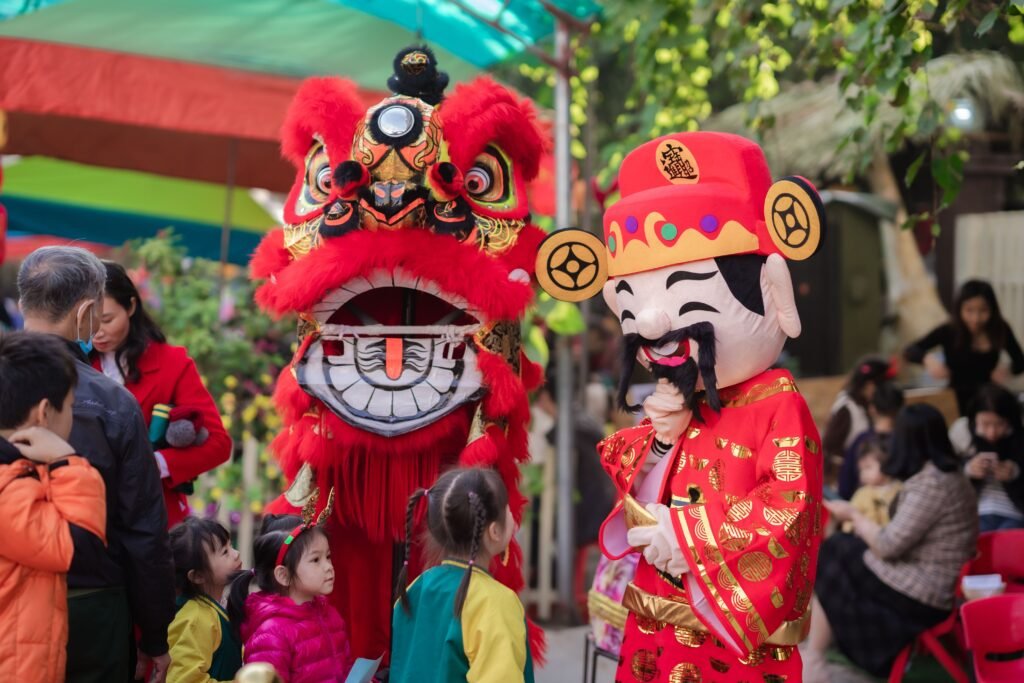
So, what is a lion dance?
Lions were first introduced to China during the Han Dynasty (221–207 CE). It’s reported that the animal was brought as a tributary gift from the Central Plains via the Silk Roads.
The thing is, hundreds of years earlier, lions were viewed as ferocious, but it was during the Eastern Han Dynasty (25–220 CE) that the image of the animal began to change. They started to appear in Buddhist paintings and texts — and soon became an icon of celestial power.
By the early Tang Dynasty (618–907 CE), lions had become a powerful symbol of strength, wisdom, and protection. As a result, lion costumes began appearing in imperial court ceremonies and royal entertainment, marking the early development of what we now know as the Lion Dance.
However, there are many folklores as to how the Lion Dance started:
Guan Yin’s compassion
This folklore tells the tale of a lion, once a mischievous heavenly creature, who was punished and sent to Earth. Moved by compassion, the Goddess Guan Yin transformed the lion into a guardian that would use its strength to protect people and bring good fortune, giving the lion dance its symbolic role today.
The legend of Nian
One of the most famous origin stories tells of “Nian”, a fearsome monster that terrorised villages every New Year. It was said that Nian had a lion’s head, with a sharp horn right in the middle. The monster spent most of its time at sea; however, on the last day of the lunar year, it would attack a village to eat people and livestock.
Then, one year, an old man appeared in the village and made a promise — to chase Nian away for good. The villagers didn’t believe him and still fled before nightfall. The old man decorated the home with red paper and waited for Nian’s return.
When Nian showed up at the house, it was greeted with loud fireworks, and the old man, dressed in red, started banging on the drums.
Nian fled. The villagers woke up the next morning, surprised.
To celebrate their triumph, the villagers decorated their doors with red paper, handed out red packets, and set off fireworks late into the night to welcome the new year.
The Emperor’s dream
One tale traces back to the Tang Dynasty, when an emperor dreamed of a mysterious lion-like creature that saved his life. Believing it to be a symbol of protection, he ordered lion dance performances to honour the creature, helping the tradition flourish throughout the dynasty.
As the tradition started to spread across China, two distinct styles emerged: the Northern Lion Dance and the Southern Lion Dance.
The Northern style is known for its playful, acrobatic movements, while the Southern style focuses on bold expressions, dramatic footwork, and powerful storytelling.
The Southern style eventually became the dominant style in Malaysia.
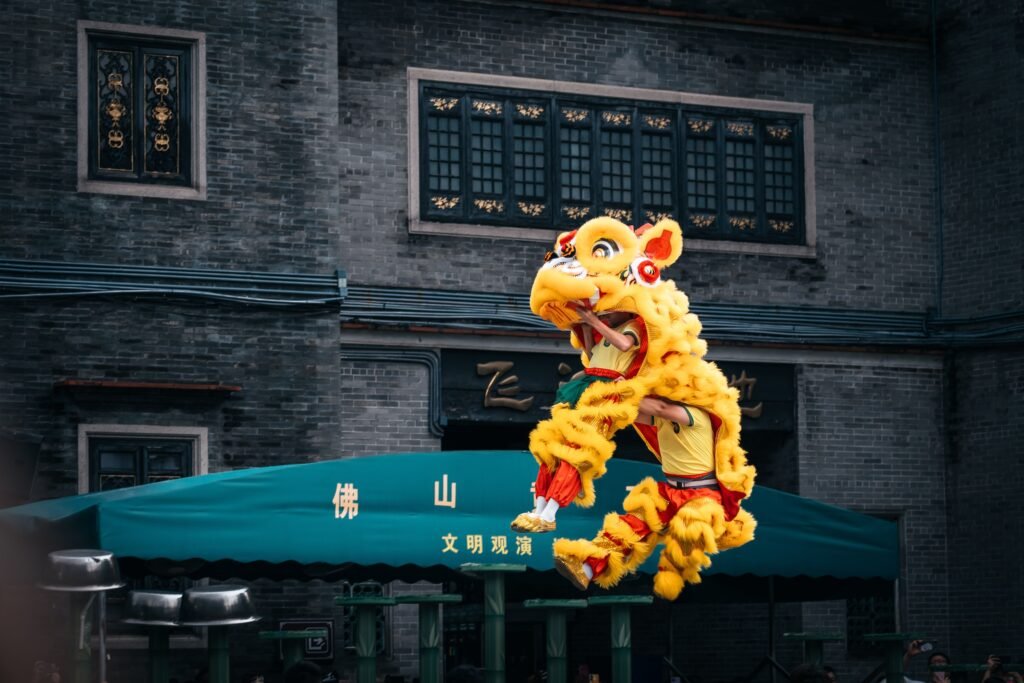
From China to Malaysia
In the 19th century, the lion dance made its way to Malaya (now Malaysia), brought over by Chinese immigrants, especially from Southern China, such as the Guangdong and Hokkien ethnic groups — hence the popularity of the Southern style.
The dance became an important part of community life. Local associations and martial art schools helped preserve the tradition, teaching new generations the skills, discipline, and values.
Today, it’s not uncommon to see performances at shopping malls, temples, schools, hotels, and business openings, where people from all backgrounds gather to enjoy the spectacle.
The best part? You’ll also see Malaysians from different cultural backgrounds taking part in the tradition, reflecting the country’s multicultural spirit.
That’s not all — Malaysia has also earned both local and international recognition for its lion dance scene, with local teams regularly competing, and winning, at world-class championships. Penang, in particular, is home to a vibrant lion dance community, making it one of the best places to experience this tradition up close.
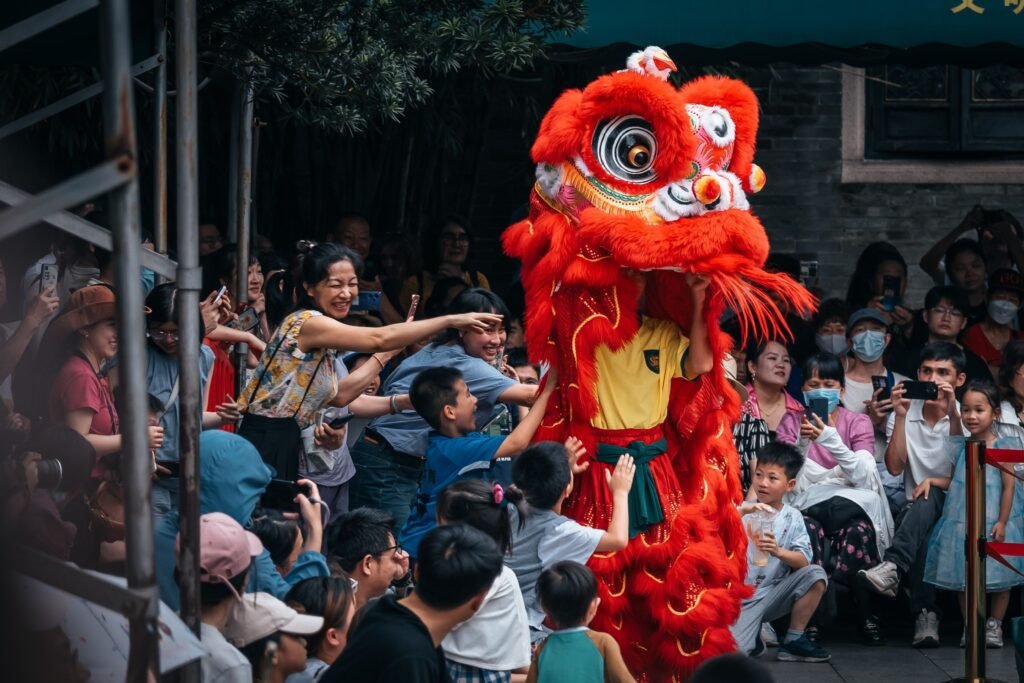
Why every visitor should experience the lion dance
Watching a lion dance is exciting, but taking part in one offers a completely different perspective.
For those picking up the drumstick or cymbals, you’ll feel how the music drives every movement of the lion.
When you finally step inside the lion’s head, you’ll learn basic footwork and quickly discover how much coordination goes into moving as one with your partner. You may even gain a new appreciation for the skill, teamwork, and dedication that performers bring to every show.
You don’t need any previous dance or martial arts experience. Whether you’re travelling solo, with friends, or as a family, the experience is designed to be welcoming, interactive, and enjoyable for everyone.
So, if you’re looking for a unique cultural activity during your time in Penang, Traveloop Malaysia’s Lion Dance Experience is the perfect way to discover the history, artistry, and excitement behind one of Malaysia’s most celebrated traditions.
Special pricing:
- 25% OFF: MYR 600 per person (Regular price: MYR 800)
- Group package (2-4 participants): MYR 1,200
- Additional participant: MYR 100 per person
- Additional information:
Children aged 5 years and below participate free of charge
Click here to learn more.